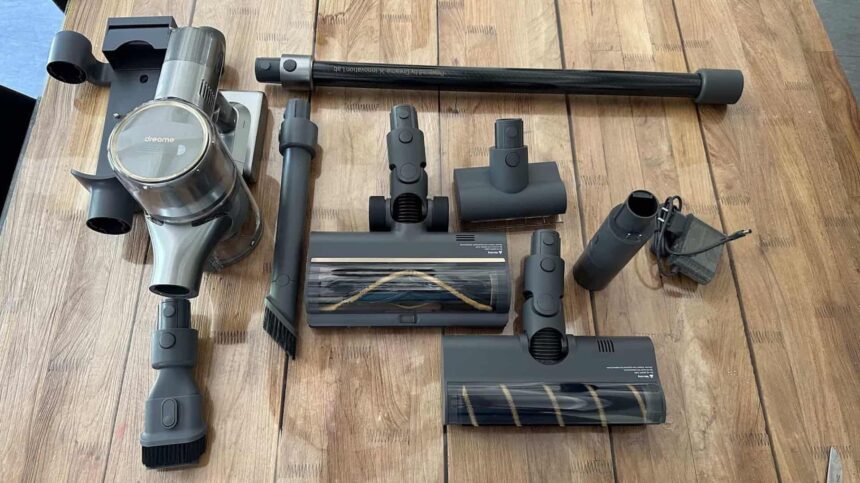
Cleaning a multi-story home can turn a simple chore into an exhausting workout. Hauling a cordless vacuum upstairs, tackling narrow steps, and switching from carpeted bedrooms to hard floors all demand different techniques and attachments. Even a powerhouse machine quickly becomes a hassle if you constantly have to hoist it up or swap tools mid-clean.
A cordless vacuum eliminates the annoyance of dragging power cords around, though that alone doesn’t guarantee an easier clean. Dreame and Shark both offer cordless vacuum lineups that take different approaches to floorheads, attachments, and overall maneuverability. To pick between them, think about how effortlessly you can move from floor to floor and tackle the mix of surfaces in your home.
Why Multi-Story Homes Demand More From a Cordless Vacuum
Cleaning across multiple levels means constantly changing your posture and grip. You might vacuum a carpeted upstairs bedroom, carry the machine back downstairs, and immediately move onto tile or hardwood. Stairs add another layer of friction: full-size floorheads can be awkward to maneuver on narrow treads, especially right up against the edges.
Carrying Comfort on the Stairs
Where the motor, battery, and dustbin sit directly affects how heavy a vacuum feels the moment you lift it off the ground. A stick vacuum that glides effortlessly across flat floors can feel surprisingly punishing when you hold it in the air.
Check both the full-unit weight and the handheld configuration weight. Brands don’t always measure these figures the same way, so spec-sheet numbers aren’t strictly apples-to-apples. Grip ergonomics, button placement, and how securely attachments lock in place matter just as much.
On carpeted stairs, a compact motorized brush is far easier to control than a standard floorhead. For tight corners, a crevice tool gets right into the seam where the tread meets the riser.
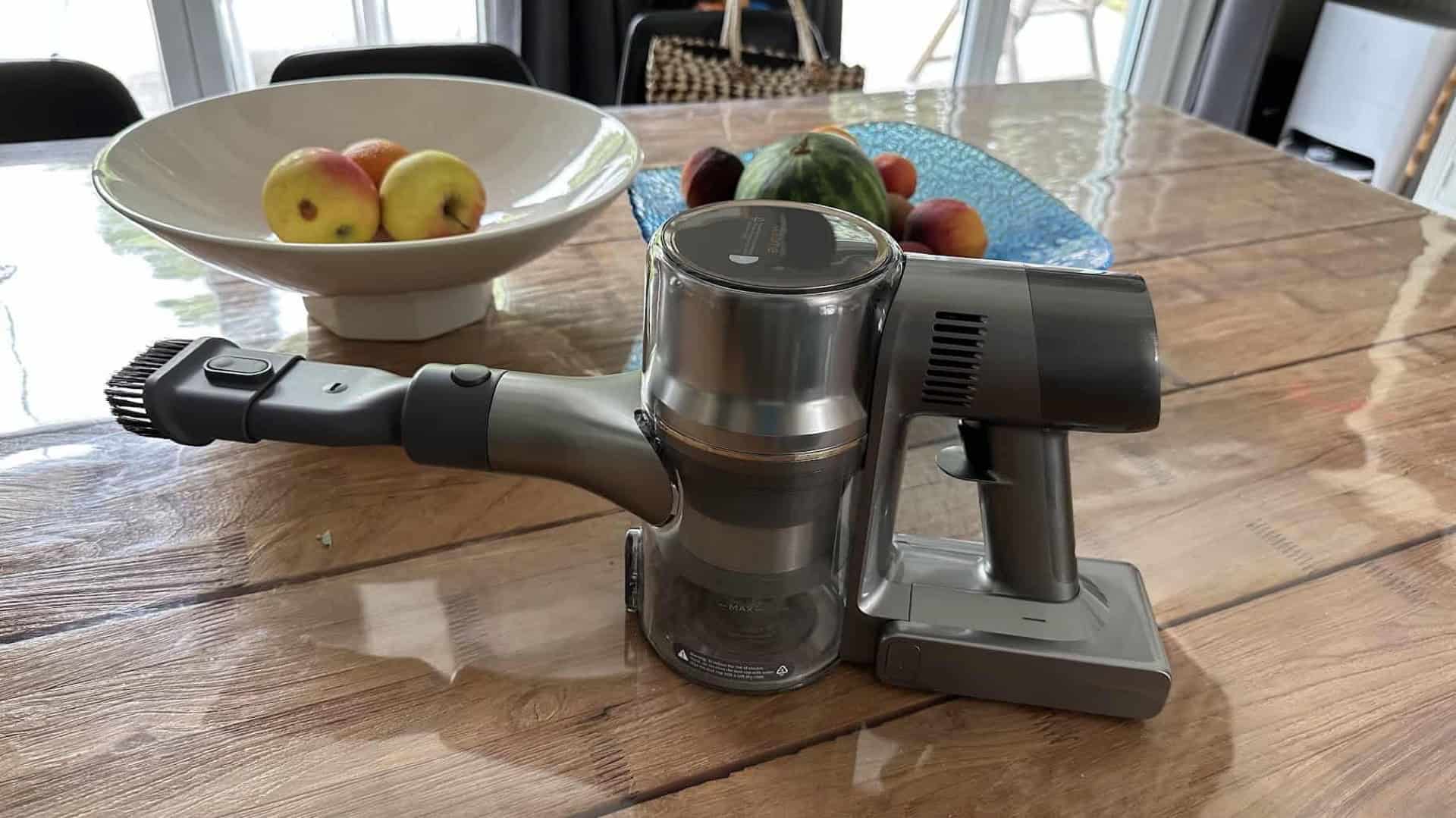
In handheld mode, motor balance and grip comfort make all the difference on stairs (pictured here with the Dreame R20).
Choosing between Dreame and Shark for a multi-story home goes well beyond raw suction power—handheld weight, stair tools, and under-furniture reach matter just as much. Dreame leans on illuminated floorheads and flexible multi-surface attachments, while Shark prioritizes handheld versatility and auto-empty docks on select models.
Check Dreame Shark cordless vacuum on Amazon
Dreame vs. Shark Cordless Vacuums: Different Cleaning Priorities
Both brands build cordless stick vacuums with detachable tools and features tailored to mixed home surfaces. Ultimately, the smarter buy comes down to what is actually in the box of the specific model you’re eyeing.
Dreame: Adaptable Cleaning Across Mixed Surfaces
Select Dreame cordless vacuums pack illuminated floorheads, flexible elbow adapters, adjustable suction, and specialized edge-cleaning designs. Those extras pay off quickly in homes with a patchwork of flooring types and tight furniture layouts.
An illuminated brush head exposes fine dust hiding in dim corners. Bendable wands and angled adapters make reaching under low furniture far less awkward, while quick-swap attachments handle upholstery, shelves, and tight crevices. Certain floorheads are also engineered to pull debris cleanly away from baseboards.
For households constantly moving between bedrooms, landings, and main living areas, Dreame’s adaptable cleaning toolkit is well worth a look. Exact features vary from one SKU to the next, though, so double-check the included attachments instead of assuming every model gets the full kit.
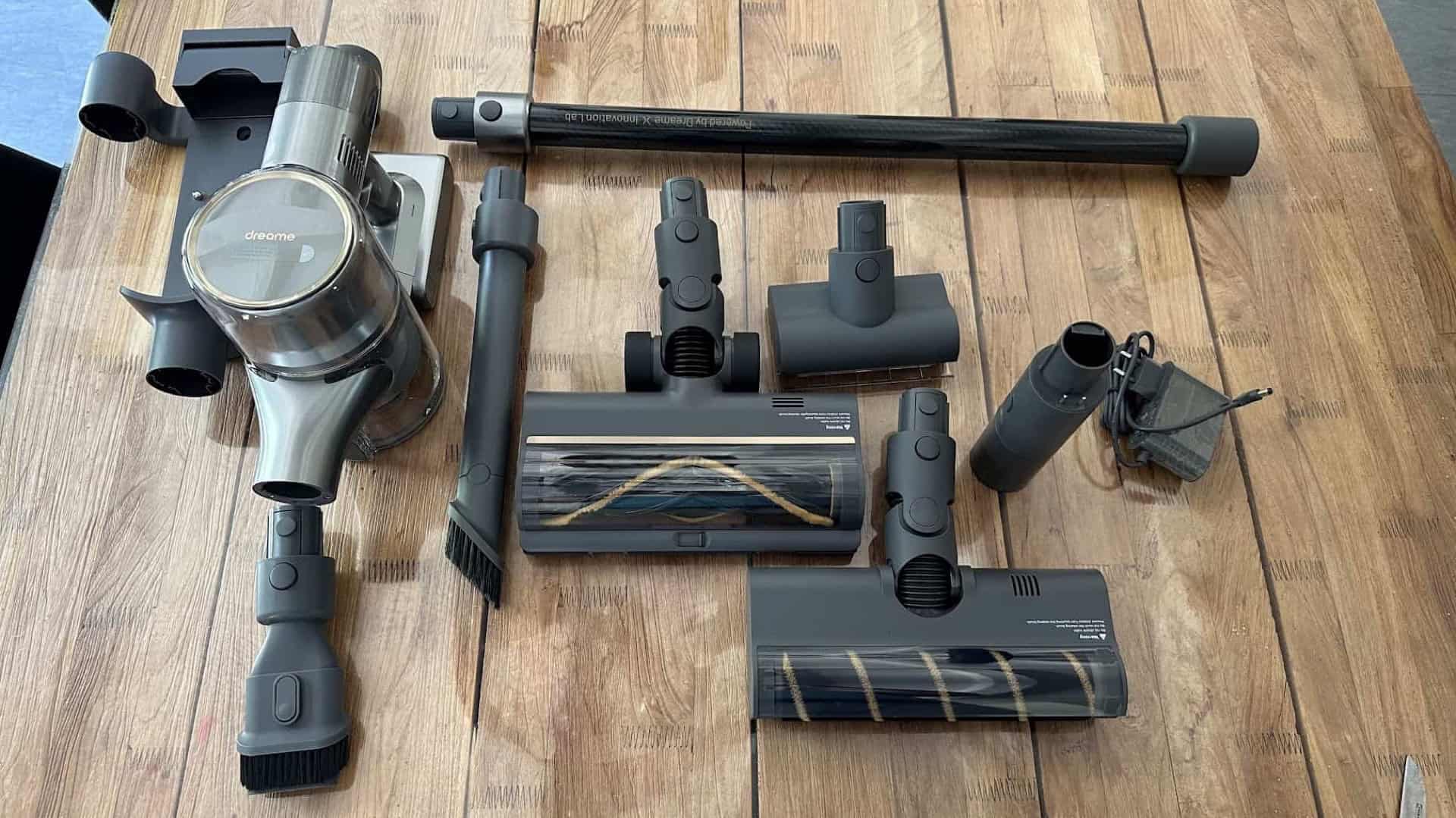
Multi-surface brush heads, mini motorized tool, crevice nozzle, and flexible adapter: the Dreame R20’s attachment bundle showcases the brand’s modular approach.
Shark: Handheld Versatility and Hassle-Free Dust Management
Shark builds cordless vacuums centered on detachable handheld pods alongside—depending on the model—hinged flex wands, automatic floor-type detection, and anti-hair-wrap brush rolls.
Snapping down into handheld mode makes quick work of stairs and upholstery. Folding wands let you glide under low sofas without dropping to your knees, and automatic suction adjustment cuts down on manual mode-switching as you cross from rugs to bare floors.
Select Shark setups also include auto-empty base stations. They save you from emptying the dustbin after every run, though they do claim a chunk of floor space and still need periodic upkeep. Just like with Dreame, the exact feature set hinges on the specific model you buy.
Cleaning Stairs, Bedrooms, and Mixed Floors With Less Effort
Multi-story homes often combine carpeted stairs, area rugs, hardwood planks, and bathroom tile. Rather than chasing a single headline spec on the box, match the vacuum’s attachments to the specific jobs each space throws at you.
Carpeted Stairs and Tight Landings
Carpeted steps are magnets for hair, pet fur, and embedded grit right along the edges. A motorized mini-brush helps lift ground-in debris, while a narrow crevice tool clears out tight seams.
Both Dreame and Shark bundle detachable tools, though what comes standard varies widely. Pay attention to handheld grip and weight distribution—even the best attachment feels miserable if the main body strains your wrist. Keep your footing planted rather than balancing the vacuum on a step.
Bedrooms and Under-Furniture Clearance
Dust bunnies under bed frames and dressers are notoriously hard to reach without shoving heavy furniture out of the way. Hinged wands spare your lower back, and LED-lit cleaner heads expose debris lurking in the shadows.
Several Dreame models include flexible elbow joints and edge-focused brush housings, while Shark offers folding wands and lit floorheads across much of its lineup. Measure the clearance under your furniture first: a bendable wand won’t save you if the cleaner head itself is too tall to fit underneath.
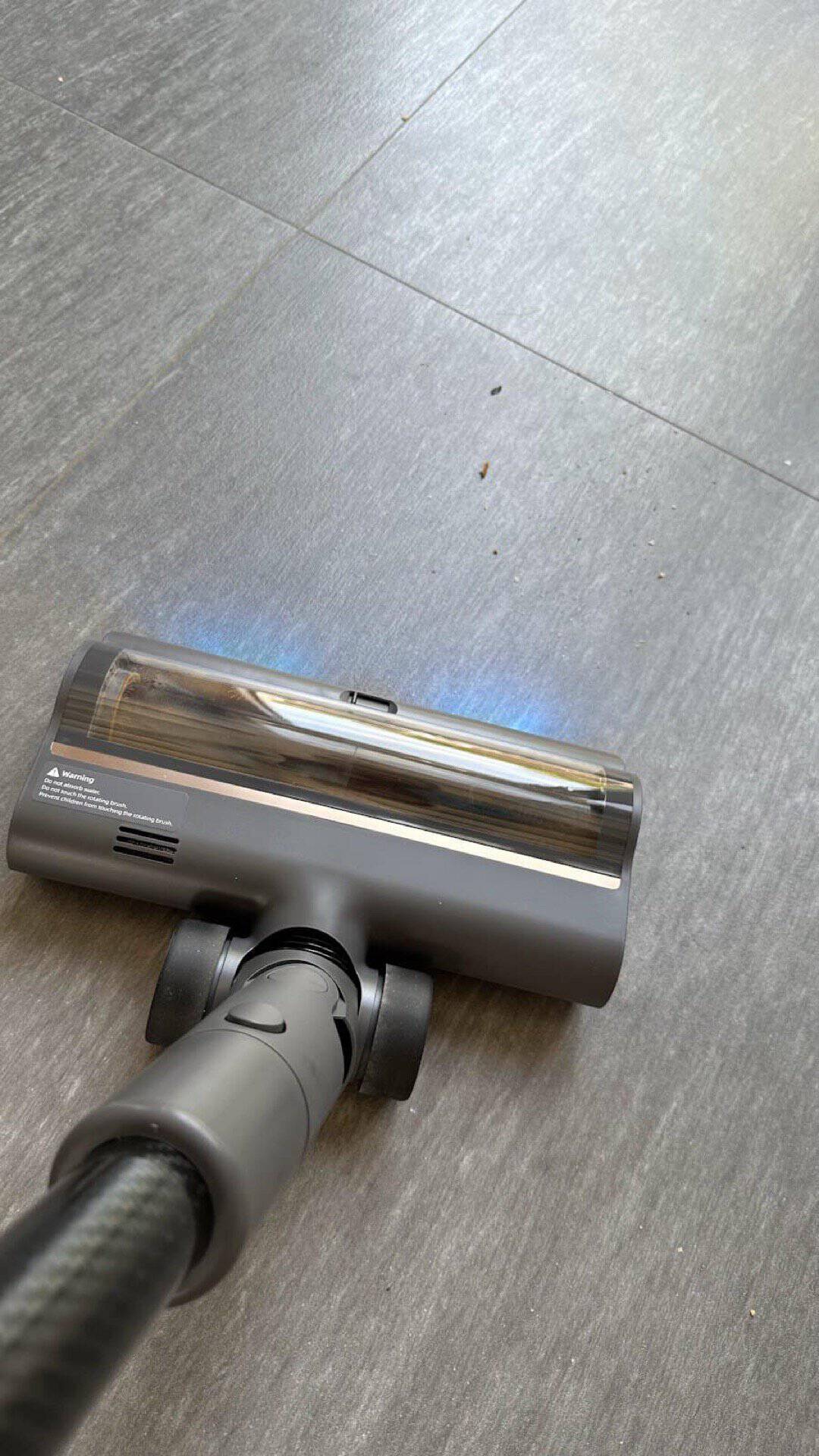
Built-in LEDs on the floorhead (shown here on the Dreame R20) make it easy to spot hidden dust under beds and low furniture.
Transitioning From Hard Floors to Rugs and Carpet
Hard floors, low-pile rugs, and plush carpet all call for different brush agitation and airflow. A capable multi-surface roller cuts down on constant head swaps, while adjustable suction lets you dial power back for delicate rugs or crank it up for heavy messes.
Models from both brands offer automatic dirt or floor-sensing modes, though real-world accuracy varies. Independent pickup tests on your specific floor types tell you far more than raw suction specs on a spec sheet.
Dreame vs. Shark: Practical Factors That Should Guide Your Choice
In a home packed with staircases, start by judging handheld ergonomics. Compare the grip angle, the footprint of the mini motorized brush, and how smoothly the main pod detaches. If low-clearance furniture is your biggest headache, focus on wand flexibility and the vertical profile of the floorhead.
Battery life matters when you tackle multiple floors in one sweep. Headline runtime numbers are almost always measured in Eco mode without powered attachments running. Look up real-world runtime using the motorized tools you actually plan to use. If you prefer cleaning one level at a time, convenient dock charging may beat sheer battery capacity.
Storage footprint can make or break things in narrow hallways. A slim wall-mounted charger barely takes up any room, whereas an auto-empty dock demands dedicated floor real estate. Also factor in how cleanly the dustbin opens, what replacement filters cost, and how easy it is to clear tangled hair from the rollers—those details define day-to-day ownership.
Which Should You Buy: Dreame or Shark?
For a multi-story home mixing hard floors, carpets, low furniture, and frequent trips between rooms, Dreame is a strong place to start. Several of its models pair modular attachments with clever reach and edge-cleaning features.
Shark is equally worth considering if handheld flexibility or hands-free bin emptying sits at the top of your wishlist. Its cordless lineup includes configurations built specifically around those conveniences, even if they aren’t universal across every tier.
Neither brand is universally lighter or superior on stairs across its entire catalog. Whenever possible, pick up the handheld unit in person, test how the attachments click on and off, and cross-check independent reviews. The right pick is whichever setup handles your toughest chores with the least friction.
The Bottom Line
Deciding between Dreame and Shark for a multi-story house isn’t as simple as comparing peak suction figures or max battery ratings. Carrying balance, stair attachments, under-furniture clearance, and multi-surface pickup all dictate how practical a cordless vacuum feels over time.
Dreame offers models equipped with flexible joints and purpose-built floor-cleaning tech, making it a compelling starting point for varied layouts. Shark counters with handheld-friendly ergonomics and convenient dust-disposal docks on select builds.
Before hitting buy, confirm the exact included tools, real working weight, realistic runtime, and spare-parts availability. If you get the chance, test how the unit feels when hauled up a flight of stairs. Basing your decision on your actual floor plan and cleaning habits is the surest way to make multi-story upkeep less of a chore.